
NDIS Development of Life Skills | Daily Living Support for Independence
Empowering independence, enhancing ability, and enabling participation—this is the core of NDIS Development of Daily Living and Life Skills.
The National Disability Insurance Scheme (NDIS) recognises that people with disability may require tailored assistance to develop essential life skills. These skills are crucial for performing daily tasks, interacting with the community, and living as autonomously as possible. Through its funding framework, NDIS supports individuals to access capacity-building services, including personalised and group-based life skills development.
Whether you’re a participant, parent, carer or support coordinator, this detailed guide will help you understand everything you need to know about NDIS development life skills from the types of activities covered to how to access funding and choose a provider.
What Are Life Skills?
Life skills are the practical, emotional, and social abilities that enable us to manage daily living and participate in society. For people with disability, these skills may not develop naturally or consistently, often due to physical, intellectual, emotional, or psychosocial barriers.
Common examples of daily living and life skills include:
- Preparing meals
- Communicating with others
- Using public transport
- Maintaining hygiene and grooming
- Understanding money and budgeting
- Building healthy relationships
- Participating in community activities
Through structured support under the NDIS, participants can learn, improve, and maintain these skills in a way that is safe, respectful, and aligned with their personal goals.
What Is NDIS Development of Life Skills?
The NDIS Development of Daily Living and Life Skills service focuses on empowering individuals to live more independently. This may include one-on-one or group sessions and can occur in a participant’s home, community, or provider facilities.
The program is designed to support:
- Skill acquisition: Learning new practical and emotional skills.
- Skill reinforcement: Strengthening abilities participants already have.
- Capacity building: Enhancing autonomy and participation in everyday life.
- Self-advocacy: Encouraging individuals to make informed choices.
These supports fall under the NDIS categories of Core Supports or Capacity Building Supports, depending on the participant’s goals and level of impairment.
Why Are Life Skills Important?
Life skills are not just about functioning; they are about thriving. For people with disability, these skills lead to:
- Greater independence
- Increased self-esteem
- Better health and wellbeing
- Improved social interaction
- Stronger financial autonomy
- Enhanced community participation
- Better employment opportunities
Ultimately, life skills development enables individuals to set their own path, make informed choices, and lead fulfilling lives aligned with their goals.
What Does Life Skills Development Include?
NDIS-funded life skills programs can be highly customised. Below are the most commonly supported domains:

Personal Hygiene and Grooming
✔ Showering, bathing, and oral care ✔ Menstrual hygiene management ✔ Using deodorants, trimming nails ✔ Dressing appropriately for the occasion and weather

Household Management
✔ Cleaning routines ✔ Laundry and ironing ✔ Meal planning and cooking ✔ Grocery shopping ✔ Safety around appliances

Communication Skills
✔ Speaking and listening effectively ✔ Understanding body language ✔ Using assistive communication tools (e.g. PECS, AAC) ✔ Writing emails or letters ✔ Booking appointments or making calls

Financial Literacy
✔ Handling money and counting change ✔ Creating and maintaining a budget ✔ Paying bills and using online banking ✔ Understanding savings and debt
Travel and Transport Training
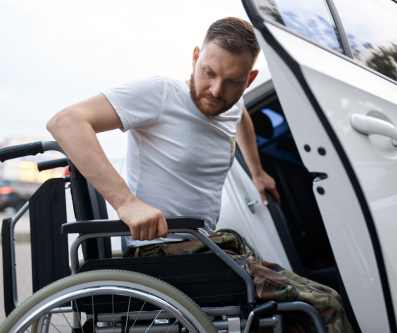
✔ Reading public transport timetables ✔ Road safety and pedestrian awareness ✔ Buying tickets or using a Myki card ✔ Planning travel routes and managing delays

Health and Wellbeing
✔ Nutritional knowledge and meal prep ✔ Exercise and mobility routines ✔ Understanding emotional wellbeing ✔ Medication management support

Social and Relationship Skills
✔ Building friendships and community networks ✔ Engaging in group conversations ✔ Understanding consent and boundaries ✔ Respecting personal space
Employment Readiness
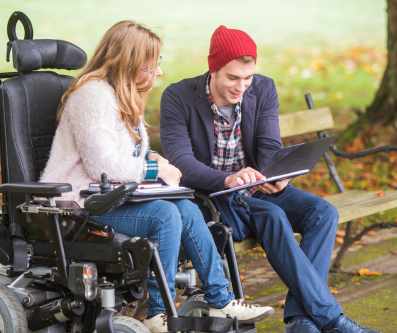
✔ Resume writing and job-seeking support ✔ Practising interviews ✔ Understanding workplace etiquette ✔ Vocational training and apprenticeships
Recreation and Leisure
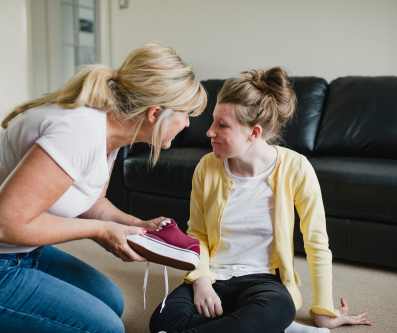
✔ Discovering new hobbies and talents ✔ Participating in clubs or group classes ✔ Volunteering in the community ✔ Attending local events or workshops
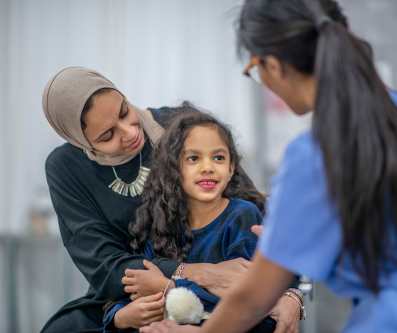
Transition to Independent Living
✔ Moving out of the family home ✔ Managing time, appointments, and routines ✔ Problem-solving daily challenges
Who Is Eligible for Life Skills Development Under NDIS?
To be eligible for this support:
- You must be an NDIS participant with an active plan
- Your disability must impact your ability to perform daily tasks independently
- The life skills training must be considered “reasonable and necessary” to support your independence
You can speak with your Support Coordinator or NDIS planner to ensure this support is included in your plan.
NDIS Funding Categories for Life Skills Development
There are three main funding categories that cover life skills development:
1. Core Supports – Assistance with Daily Life (Support Category 1)
Covers help with everyday tasks in a home or community setting. Example: Meal preparation or personal hygiene assistance.
2. Capacity Building Supports – Increased Independence and Community Participation
Covers training, mentoring, or structured programs to build skills. Example: A budgeting course or travel training program.
3. Capital Supports – Assistive Technology
Used to fund tools or devices that enhance skill development. Example: Communication apps or kitchen safety tools.
How to Access Life Skills Development Services

Assessment -Meet with your planner or support coordinator to assess your current skills and goals.

NDIS Planning Meeting - Ensure your NDIS plan includes supports for daily living and life skills development.
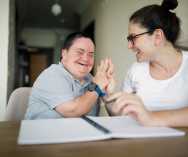
Choose a Provider - Select a registered NDIS provider with experience in life skills development.

Set Personalised Goals - Your provider will work with you to design an individualised training program.
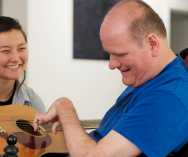
Begin Training - Start sessions in-home, in the community, or at the provider’s facility.
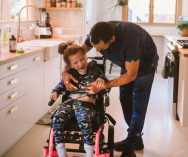
Track Progress - Regularly review goals, update your plan, and celebrate milestones.
Final Thoughts
NDIS Development of Life Skills is more than a support category—it’s a gateway to independence, confidence, and community inclusion. By accessing structured life skills training, participants can reduce reliance on others, increase their self-esteem, and enjoy a more enriched quality of life.
If you or your loved one would benefit from life skills development under the NDIS, don’t hesitate to speak with your support coordinator or reach out to a provider today.
Ready to build the skills for a more independent life?
Contact our team today to learn how NDIS life skills development can help you or your loved one thrive at home and in the community.