
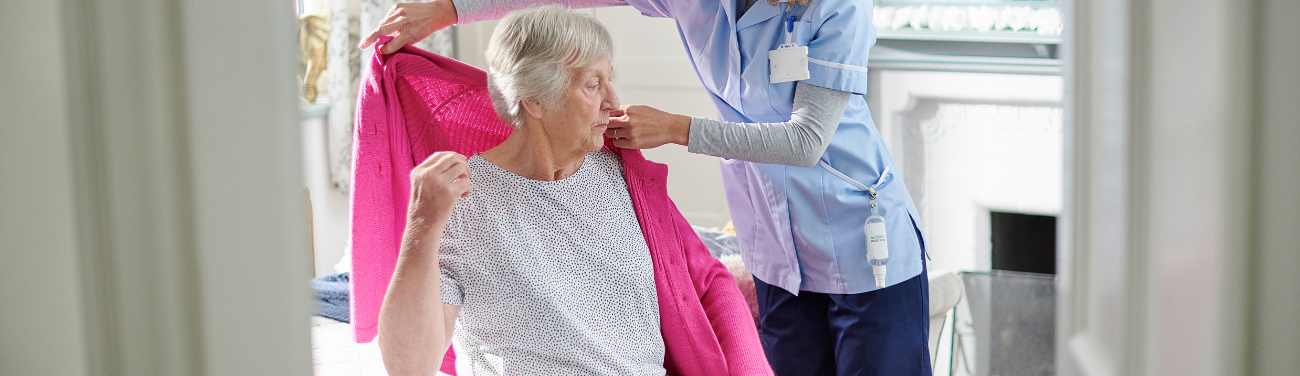
Assistance with Daily Personal Activities NDIS: A Complete Guide to Personal Care Support
The National Disability Insurance Scheme (NDIS) is designed to support Australians with permanent and significant disabilities in living an independent and meaningful life. One of the most essential areas of NDIS funding is Group 0107 – Assistance with Daily Personal Activities. This category helps participants perform essential personal care tasks that may be difficult or unsafe to manage on their own.
Whether the support involves basic hygiene, dressing, mobility, or complex medical assistance, the aim is to maintain dignity, foster independence, and support daily functioning—at home, in shared living, or out in the community.
This guide explains what is covered under assistance with daily personal activities NDIS, who is eligible, and how these supports are delivered.
What Is Assistance with Daily Personal Activities in the NDIS?
Assistance with daily personal activities is a core support funded through the National Disability Insurance Scheme (NDIS). It’s designed to help people with disability complete everyday self-care tasks that they may not be able to do on their own.
These supports are provided in the person’s home, shared accommodation, or other settings and are personalised based on each individual’s abilities, preferences, and goals. This assistance helps maintain hygiene, independence, health, and safety in daily life, while also reducing reliance on informal or unpaid carers.
This support can be standard (routine assistance) or high-intensity, depending on the complexity of the participant’s needs.
Why Daily Personal Activities Matter
Daily personal activities are the building blocks of everyday life. They allow individuals to maintain their hygiene, nourish themselves, manage medications, and feel confident and in control. However, when a person lives with a disability that limits their ability to perform these tasks safely or independently, these everyday routines can become sources of distress, discomfort, and risk.
Providing support in this area not only addresses basic physical needs but also improves mental wellbeing, builds confidence, and fosters independence in the long term.
What Are Considered “Daily Personal Activities”?
Daily personal activities, as defined by the NDIS, are fundamental self-care tasks that many people complete without assistance. NDIS funding for these activities is aimed at people who, due to disability, require partial or full support to carry them out.
Examples of daily personal activities include:
- Showering or bathing
- Brushing teeth, combing hair, and general grooming
- Getting dressed and undressed
- Managing continence and toileting
- Preparing and consuming meals
- Moving in and out of bed, or around the home
- Administering or taking medication
- Managing morning and evening routines
These supports are delivered by qualified support workers, nurses, or trained carers, depending on the participant’s care plan and risk level.
What Types of Supports Are Included?
Here is a breakdown of the specific tasks that can be supported under this funding:

Personal Hygiene and Grooming
✔ Support with showering or sponge baths ✔ Assistance with brushing teeth, combing hair, shaving ✔ Help with applying deodorant, creams, and skincare ✔ Support with nail care and basic grooming ✔ Assistance with hygiene for people with sensory sensitivities
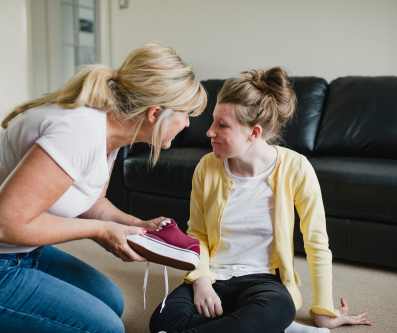
Dressing and Appearance
✔ Selecting appropriate clothing based on weather and activities ✔ Physical help with dressing and undressing ✔ Assistance with buttons, zips, laces, and adaptive clothing ✔ Encouragement of independence through coaching techniques
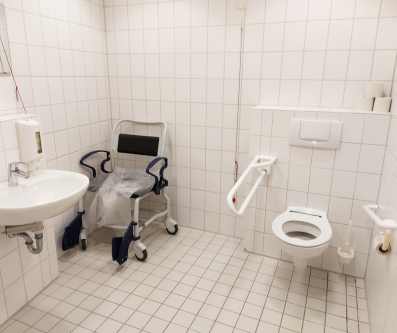
Toileting and Continence Support
✔ Transferring to and from the toilet ✔ Support with wiping and hygiene ✔ Continence aid changes (pads, catheters) ✔ Menstrual hygiene support ✔ Monitoring for signs of infection or discomfort

Meal Preparation and Eating
✔ Preparing meals according to dietary needs ✔ Cutting up food or assisting with utensils ✔ Feeding assistance ✔ Encouraging healthy eating habits ✔ Assistance with swallowing concerns or food texture modifications

Mobility and Transfers
✔ Support with bed mobility, repositioning, or turning ✔ Transfers between bed, chairs, and toilet ✔ Safe movement around the house (walking, wheeling) ✔ Use of mobility aids (walkers, hoists, slide sheets)
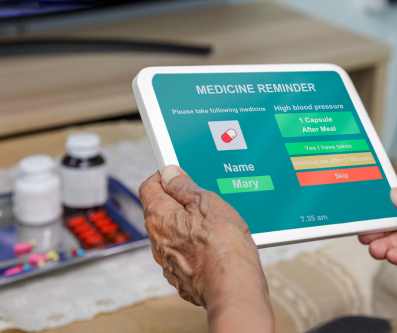
Medication Management
✔ Reminders or prompts to take medication ✔ Assisting with administering medication (oral, topical) ✔ Monitoring for reactions or side effects ✔ Communication with GPs or pharmacists where needed

Use of Aids and Equipment
✔ Help with setting up and using assistive devices (hearing aids, mobility devices) ✔ Ensuring proper fit and use of equipment ✔ Assistance with communication technology or personal alarms
What Is High-Intensity Daily Personal Support?
Some participants require high-intensity assistance, due to complex medical needs or behaviours that require skilled intervention. These supports are still part of assistance with daily personal activities, but are considered more specialised.
Common examples include:
- Enteral feeding (e.g. PEG feeding)
- Tracheostomy suctioning or care
- Catheter or stoma care
- Epilepsy or seizure management during personal care
- Diabetes support, including insulin administration
- Managing behaviours of concern during care routines
- Pressure area care or wound management
- Application of splints and braces
These supports are usually delivered by staff who have received specific training, or by health professionals such as enrolled or registered nurses.
What About Domestic Activities?
The NDIS may also fund assistance with personal domestic activities if the participant is unable to maintain a safe and hygienic home environment without support.
This may include:
- Cleaning areas related to personal care (bathroom, kitchen, bedroom)
- Washing clothes and bedding
- Ironing and folding
- Making beds and changing linen
- Basic grocery shopping for essential items
- Cleaning up after meal preparation or hygiene routines
More general housework (e.g. spring cleaning or gardening) may fall under a different NDIS category (Household Tasks).
Who Is Eligible for These Supports?
You may be eligible for assistance with daily personal activities through the NDIS if:
- You are an approved participant with a permanent and significant disability
- Your disability impacts your ability to carry out daily personal tasks independently or safely
- You require this support regularly as part of maintaining your health, hygiene, and independence
Support needs are usually discussed during your initial planning meeting and during reviews. Your plan will include this support under Core Supports – Assistance with Daily Life if you are approved.
Where Can These Supports Be Delivered?
Flexibility is a key feature of NDIS-funded personal support. These services can be delivered:
- In your own home
- In Supported Independent Living (SIL) environments
- In shared accommodation or group homes
- During short-term accommodation or respite stays
- While travelling or attending community events
- In educational or employment settings, if related to personal needs
How to Access Assistance with Daily Personal Activities NDIS
To get started:
- Check your NDIS plan to see if you have funding under Core Supports – Assistance with Daily Life.
- If your plan doesn’t include it and you have new or increased needs, request a plan review.
- Work with your planner or support coordinator to define your care needs clearly.
- Choose a registered provider with trained staff who can meet your specific personal support needs.
- Set up a service agreement and schedule that works for you.
Where Can Supports Be Provided?
NDIS daily personal activity support can be delivered in various settings, including:
The key is flexibility—services are designed to go where the participant needs them most.
Key Benefits of This Support
Supports health, hygiene, and safety
Encourages independence and self-determination
Reduces risks such as falls, neglect, or poor nutrition
Promotes consistency in daily routines
Eases the pressure on family carers
Enables participation in community life
Builds long-term skills and confidence
Final Thoughts
Assistance with daily personal activities under the NDIS ensures that individuals with disability can live with the dignity, autonomy, and care they deserve. From basic hygiene to complex health needs, this support is about making everyday life not just possible—but empowering.
If you or someone you support is finding daily tasks difficult to manage alone, talk to an NDIS planner or support coordinator. These supports exist to help participants live life on their terms, in the way that suits them best.
Need Support with Daily Personal Activities?
Assistance with daily personal activities NDIS is about more than care—it’s about empowering you to live life on your terms.
- Tailored support plans
- High and standard care levels
- Flexible delivery in your home or community